Project thinking
Each initiative is judged on its own return, in isolation.
A multidisciplinary technology modernization practice
Talbot West helps complex enterprises decide where to invest, what to modernize and how to turn those decisions into durable operating capability.
Tell us your situation →What deserves investment. How to sequence investments for leverage. Which deployment path offers the right trade-offs.
Then architecture, engineering, integration, and adoption convert that choice into realized value.
Set modernization priorities by linking operating constraints, AI and non-AI choices, investment dependencies, and the capital required for growth.
View work →Fortune 500 logisticsReconstructed how processes, information, systems, data, and IoT actually interacted, then chose the architecture and integrated it across the enterprise.
View work →TelecommunicationsReconciled conflicting business definitions across more than a dozen ERP environments and encoded the agreed meaning in one canonical data architecture.
View work →B2B softwareRejected an overbuilt AI architecture after testing it against the product's actual behavior, reducing compute, complexity, and control risk.
View work →Specialized servicesChose and implemented technology investments that improved operating leverage, then substantiated the technical case in sale materials and buyer diligence.
View work →Marketing servicesIdentified where AI could change production economics, rebuilt the operating model around those uses, and supported 219% revenue growth without adding headcount.
View work →Before a team builds anything, someone has already decided:
Talbot West helps enterprises improve those decisions before capital, capacity and organizational attention become difficult to recover.
Stress-test your decisionmaking →Architecture can invalidate an attractive plan.
Integration can expose hidden dependencies.
Implementation can disprove assumptions.
Adoption can separate a functioning system from an operating capability.
Evidence from implementation can still change the decision. See what has to be true before implementation works →
Modernization investments interact.
One investment can remove a constraint, establish trustworthy data, create reusable capability, produce critical information or make several later investments cheaper and safer.
The return on one investment therefore depends partly on what precedes it and what it enables.
Each initiative is judged on its own return, in isolation.
The sequence changes the collective economics of the whole portfolio.
A modernization decision can change the business case, operating model, architecture, data, systems, and adoption requirements at once.
Set investment priorities, sequence initiatives for leverage, and decide what to defer.
Translate business priorities, constraints and tradeoffs into a technical architecture that can actually be built and changed.
Build the data foundations that operations, analytics, automation and intelligent systems depend on.
Apply AI where its capabilities, economics and risks make it superior to the alternatives.
Make systems, data, workflows and operating capabilities function as a coherent whole.
Define who can authorize, constrain, observe and intervene in AI-enabled operations.
Install the skills, workflows, ownership and operating practices required for new capability to persist.
“The best modernization investments make the next investment cheaper, faster, or more valuable.”
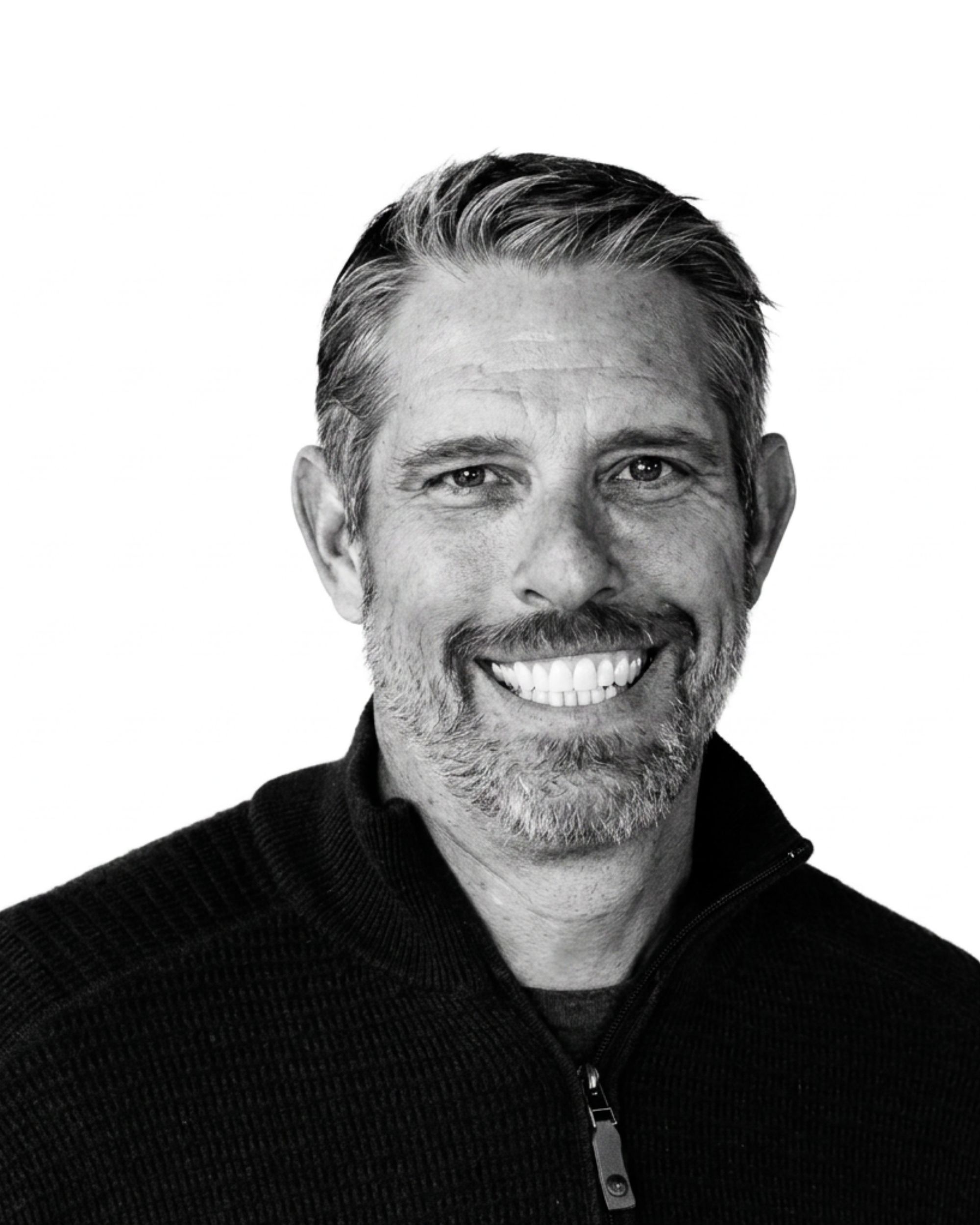
Jacob AndraTechnology will change.
Proprietary knowledge, operating logic, clean data, integration contracts and organizational capability can keep producing value while individual technologies come and go.
Put proprietary investment where proprietary specificity actually matters.
Keep fast-changing technology replaceable.
AI native. Not AI biased.
AI has changed what is possible, what is economical and what deserves reconsideration. Ignoring that shift produces bad decisions. So does treating AI as the answer by default.
Integration creates coupling.
Process change consumes organizational capacity.
Doing nothing preserves capital and optionality but leaves the current constraint in place.
Talbot West compares AI, commercial software, integration, automation, process change, and custom engineering against the required capability, constraints, and economics, then chooses the least costly, least complex mechanism that meets the requirement.
A decision becomes architecture. Architecture becomes systems. Systems change workflows. Workflows change how people operate.
Failures often appear between those stages rather than inside one of them.
Talbot West can remain accountable whether implementation is ours, yours, or a specialist partner’s.

“Talbot West is the digital transformation partner that CGRS has been looking for. Not only do they have a thorough grasp on AI and its capabilities and limitations, but they understand our business and what we need. Their communication is clear, their delivery is precise, and they look out for our best interests.”

“Talbot West did more than help augment how we use AI. They built the scalable and reusable architectures that allow us to move faster with less rework, and we didn’t have to add headcount to get there.”
It may be one decision or dozens.
A known constraint or competing investments.
A modernization program already underway or uncertainty about whether one should exist at all.
Start with the situation as it actually is.
Tell us your situation →Test whether the evidence, expertise, alternatives and tradeoffs behind consequential commitments actually work as one decision system.